Fifteen Bucks for a Piece of a Movie Nobody Saw: Inside the Prop Afterlife
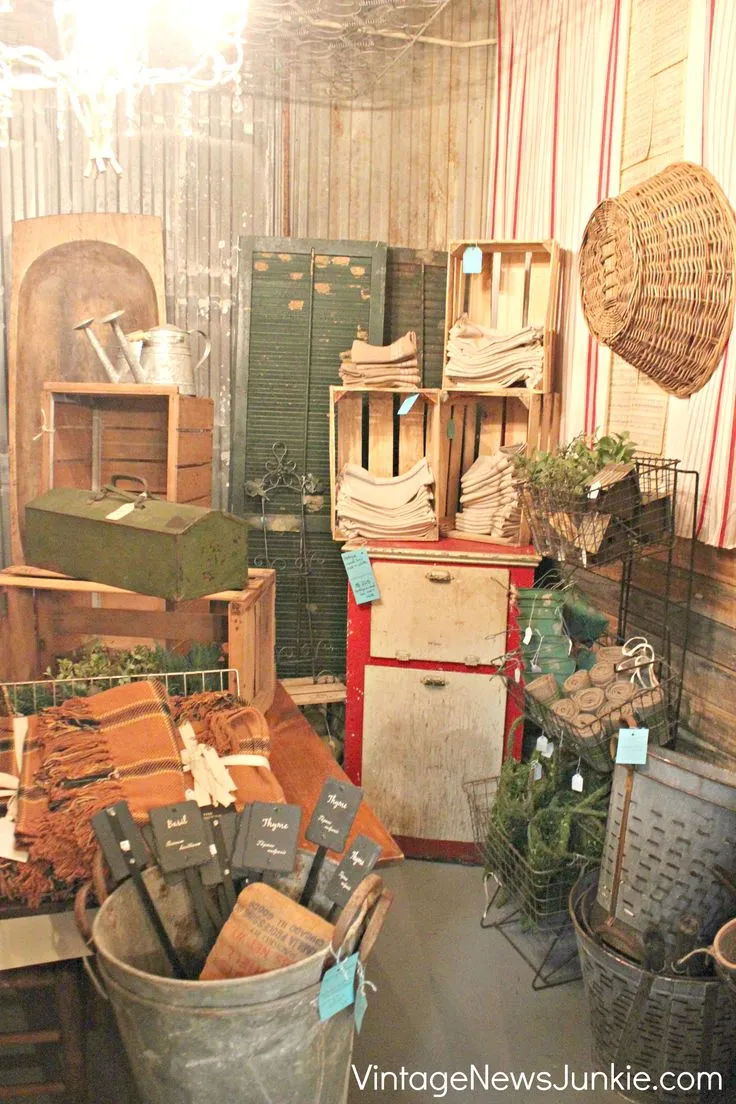
Photo: vintage props warehouse shelves dusty flea market, via i.pinimg.com
The lamp sits on a folding table at the flea market outside Columbus, priced at fifteen dollars. It's ugly in the way that only set dressing can be — brass, slightly bent, a shade that's been bounced off a hundred times by a gaffer's hand. A strip of blue painter's tape clings to the base. Written on it, in Sharpie, fading: SC 42 — KITCHEN NIGHT.
The woman selling it has no idea what movie it came from. She bought the contents of a storage unit in Dayton two years ago. She just knows it's heavy and it works.
That's the whole story of indie film memorabilia in America, really. A movie gets made on a shoestring, plays two festivals, streams quietly for a while, and then vanishes. The props don't vanish with it. They just stop being props.
The Warehouse at the End of Every Production
Every finished film leaves behind debris. On a studio picture, that stuff gets cataloged, archived, sometimes auctioned to fans with deep pockets. On a micro-budget shoot in somebody's uncle's warehouse outside Albuquerque, the end of the shoot looks very different: a frantic packing-up, a production manager texting everyone they know — free props, come get them, otherwise it's the dumpster — and whatever's left over gets hauled to one of the great unglamorous institutions of American filmmaking: the prop house.
Prop houses don't advertise. They don't need to. The good ones — and there are great ones in Los Angeles, Chicago, Atlanta, and scattered across the rust belt like barnacles — are cavernous, dusty, slightly dangerous places stacked floor to ceiling with the physical residue of other people's creative decisions. Diner booths. Taxidermy of dubious origin. An entire wall of telephones organized by decade. A 1957 refrigerator that has appeared in more scenes than most working actors.
The economics are simple and a little heartbreaking. A production buys or builds props for a shoot. When it wraps, the prop house buys the lot for pennies on the dollar, then rents it all back out to the next production at a markup. Movies feed on the corpses of movies. It's recycling, but with more cigarette burns on the furniture.
And when a piece finally stops renting — when it's too beat up, too out of fashion, or the prop house itself closes, which happens more often than anyone likes to admit — it flows downstream. To estate sales. To flea markets. To eBay, where a listing titled "VINTAGE DESK LAMP (possible movie prop?)" asks fifteen dollars and gets it.
The Collectors Who Know What They're Looking At
Here's where it gets interesting. Because a small, obsessive community of collectors does know.
They're the people who freeze-frame indie films to identify a specific coffee mug. They cross-reference production design credits with prop house Instagram posts. They show up at the flea market outside Columbus at 6 a.m. because a seller posted a photo of a dining set that looked suspiciously like the one from a 2019 SXSW darling that never got distribution.
For them, owning a piece of a micro-budget film is a different kind of fandom than owning Luke Skywalker's lightsaber. Studio memorabilia is about the movie everyone saw. Micro-budget memorabilia is about the movie almost nobody saw — and the fact that you saw it anyway, and cared, and now own the lamp from scene 42.
There's something deeply American about it. The autograph hounds at Hollywood auctions pay six figures for provenance and certificates of authenticity. The prop graveyard shoppers pay fifteen bucks for a feeling and a strip of painter's tape.
One Archivist's Quixotic, Wonderful Mission
Marcus Idowu wants to change the fifteen-bucks-and-a-feeling model. He's a former production assistant turned self-described "prop historian," and for the last three years he's been building what he calls the Micro-Cinema Archive — a nascent museum, currently occupying a rented garage in rural Illinois, dedicated to preserving the physical objects of films that had no budget for preservation.
His collection so far: roughly 900 pieces. A hand-painted sign from a horror movie shot in Wisconsin that raised $11,000 on Kickstarter. The actual prosthetic from a body-horror short that played midnight screenings for one summer. Shelves of continuity Polaroids, call sheets, and — the crown jewels — props with their scene tape still attached.
"The tape is everything," he told us, holding up a chipped ceramic rooster like it was the Maltese Falcon. "Once that tape comes off, the object loses its story. It's just a rooster. With the tape, it's a Tuesday night shoot in a stranger's kitchen in 2016, and everybody was tired, and somebody labeled this so it wouldn't get lost. That's the whole indie film experience, right there."
His dream is a proper space — climate control, cataloging software, the works. Funding, so far, comes from a Patreon with 214 subscribers and the occasional sale of duplicate items. He's realistic about the timeline. He's less realistic about giving up.
Why It Matters That the Lamp Survives
You could argue none of this matters. Props are props. Movies are the thing, not the stuff.
But spend an afternoon in a prop house, or a garage full of labeled ceramics, and the argument flips. Independent film is made of thousands of small physical decisions made by people who were mostly not getting paid. The fake flowers chosen at a thrift store at 9 p.m. before a 6 a.m. call. The lamp that had to read as "kitchen, night" from three angles. That labor is invisible in the finished film by design — and then the film itself becomes invisible, and the objects are all that's left.
So if you find yourself at a flea market in Ohio and spot a bent brass lamp with a strip of blue tape on it, do the archivist a favor. Photograph the tape before you peel it off.
Somebody made a whole movie around that lamp. The least it deserves is a record.