Knock First, the Gallery Is the Garage: America's Homegrown Art Venues
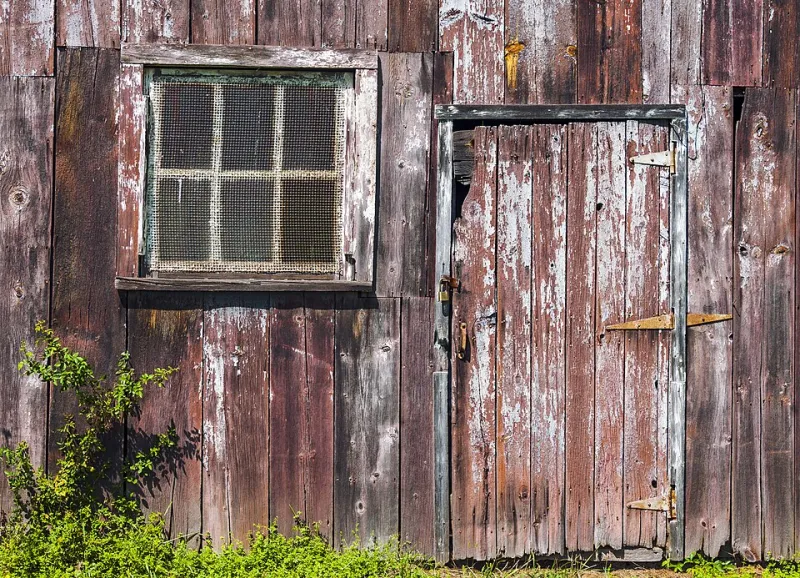
Photo: Daniel Case, CC BY-SA 3.0, via Wikimedia Commons
There's a moment, usually about thirty seconds after you arrive, when you realize you're not at a venue. You're at someone's house.
The extension cord taped along the baseboard isn't set dressing — it's the power supply for the projector. The folding chairs came from a church basement two towns over. And the person handing you a can of generic cola? That's the curator. Also the host. Also, possibly, one of the artists.
Welcome to the American home as art space. It's happening in garages in Tacoma, living rooms in Queens, and backyard sheds outside Asheville. No box office, no coat check, no address on any marquee. Just a door left unlocked and a post in a group chat that says "tonight, 8pm, you know the place."
The House Always Shows Art
Take the couple in Columbus who turned their two-car garage into a rotating gallery they jokingly call the largest exhibition space per square foot in Franklin County. Every six weeks or so, they clear out the lawnmower, hang work from artists they've met at zine fairs and cookouts, and let the neighborhood wander in.
"We never planned to be a gallery," one of them told us, gesturing at the oil stain on the floor that anchors the space like a permanent installation. "We just ran out of walls in the house."
That origin story repeats everywhere. Nobody sets out to run a venue. They set out to show a friend's paintings, screen a rough cut, host a poet who needed a date on a tour. Then it happens again. And again. Suddenly there's a mailing list, a folding-table budget, and a recurring debate about whether the space needs a name.
It usually does, because that's how word travels. But the names stay small on purpose. A garage with a name starts to feel like a business. A garage with a name and a suggested donation starts to feel like a business with overhead. The whole appeal is that it's neither.
What You Get That a Theater Can't Give You
The obvious question: why bother, when every mid-sized American city has a legit arts center, often several, with proper lighting and insurance?
Anyone who's attended a house show knows the answer in their bones. It's the difference between watching a film and watching a film with the director on the couch next to you. Work shown in a home exists at a different social temperature. People talk during it. People talk after it, at length, in the kitchen, until midnight.
There's also a freedom question. In a living room, an artist can screen the version with the audio problem they couldn't afford to fix. They can perform the new piece that a real venue's booking committee would've flagged. The home venue has no programming committee. The programming committee is whether the host remembered to buy ice.
And the audience notices. We've been to gallery openings where the work felt like wallpaper and house screenings where a fifteen-minute short got a twenty-minute argument — the good kind, the kind that only happens when everyone present actually cares.
The Hosts Are Doing the Heavy Lifting
We should be honest about the labor here. Opening your home to strangers is a genuine act of trust, and it costs more than ice.
There's the noise ordinance math — how many neighbors get a heads-up, how late the amps go. There's parking, which in most American neighborhoods is the true limiting factor on attendance. There's the bathroom situation, which every house-venue operator has strong opinions about. And there's the low-grade anxiety of having forty people you don't know standing on your floorboards evaluating your bookshelf.
The hosts we talked to shrug most of this off. What they don't shrug off is burnout. The pattern is familiar: a space runs hot for a year or two, the host's day job gets busy, and the calendar goes quiet. The venues that survive are the ones that recruit early, share the load, and accept that a monthly cadence beats a heroic one.
Why This Matters for People Who Make Things
For independent filmmakers and artists — the readers of this site, basically — home venues are infrastructure. Not romantic metaphor infrastructure. Actual infrastructure.
A rough cut needs an audience before it needs a distributor. A new performance piece needs a room before it needs a festival. A photographer needs somewhere to hang twelve prints before anyone offers them a wall in a legit space. The house show is the lowest-stakes, highest-honesty testing ground in American art. Nobody at a garage screening is being polite because there's a grant reviewer in the room.
There's a lineage here, too. The indie film world already knows this rhythm — the backyard screening, the living-room premiere, the collective that books a church basement for a night. House venues are the same instinct on the presentation side: if the gatekeepers won't open a door, open your own.
No Address, and That's the Point
The most vital art spaces in America don't have listings. You find them through a friend, a flyer at the coffee shop, a group chat that materializes the week before. That friction is a feature. It keeps the rooms small, the conversations honest, and the rent at zero.
So if you're an artist with work that needs eyes, or a person with a garage and good intentions: the ecosystem is short on venues and long on people who want to be in a room together. The fix might be closer than you think — maybe twenty feet away, behind the car, under the fluorescent bulb that's been flickering since 2019.
Knock first. The gallery is open.