Bay 3, Now Seating: When the Fire Trucks Pull Out and the Movie Screen Rolls Down
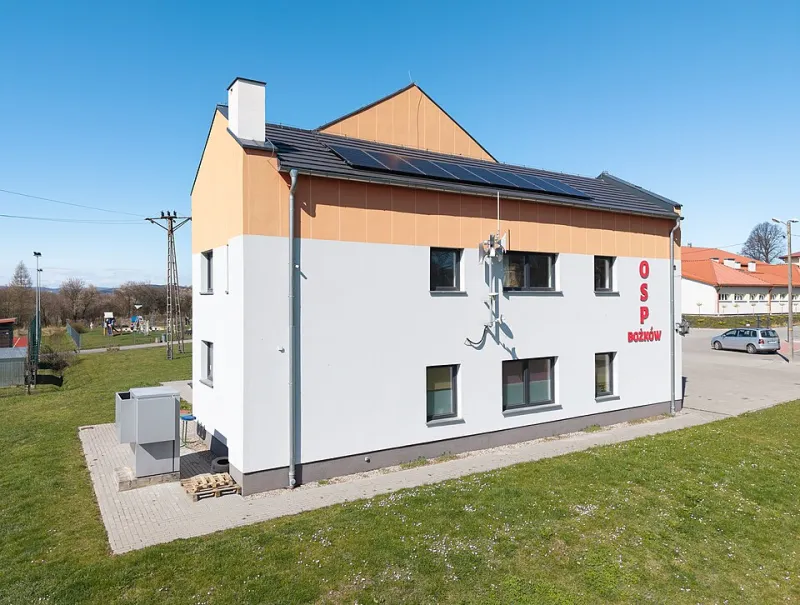
Photo: Jacek Halicki, CC BY-SA 4.0, via Wikimedia Commons
On a Friday in October 2026, the Millvale Volunteer Fire Department moved Engine 41 out of Bay 3 and moved forty folding chairs in. The bunting from the summer carnival was still stapled to the ceiling. Someone had taped a bedsheet to the wall. By 7:10 p.m., the room smelled like diesel, popcorn, and the particular dust that comes off a twelve-year-old extension cord.
The movie was a ninety-minute micro-budget drama about a family running a failing hardware store. It had played two festivals and a bar in Pittsburgh. It had never played a room quite like this one.
The Bays Are Already Theaters
Fire departments are not new to crowds. They host pancake breakfasts, spaghetti dinners, gun raffles, craft fairs, and the occasional wedding reception. What is new, at least in the last few years, is the projection screen. Across small-town America, volunteer departments are renting out their truck bays for one-night movie premieres, usually for a few hundred dollars, usually on a weeknight, usually with the understanding that if a call comes in, the movie stops and the trucks leave.
The arrangement is not formal. There is no national database of firehouse screening rooms. But ask around the micro-budget circuit and the same story repeats: the filmmaker needed a room, the fire chief needed a fundraiser, and the bay was already big enough to hold a truck. Why not a movie?
Three Nights, Three Towns
In Millvale, Pennsylvania, just outside Pittsburgh, the department charges $250 for a four-hour rental. The fee includes the bay, the folding chairs, the industrial coffee urn, and a volunteer named Dave who knows how to run the overhead lights. The screen is the filmmaker's problem. The department has a projector, but it is reserved for training videos and the occasional Steelers game.
Outside Roseburg, Oregon, a rural department converted half of its apparatus bay into a permanent screening area with a roll-down canvas and a used soundbar. The chief told me they started showing movies after a local filmmaker asked to rent the space for a cast-and-crew screening. That first night brought in $600 at the door. The department now hosts four or five screenings a year, mostly between June and September, when the bay doors can stay open and the heat is not a problem.
In Boyd County, Kentucky, the screening room is less polished. The screen is a white tarp stretched between two ladders. The projector sits on a folding table that usually holds the sign-in sheet for training. The acoustics are terrible. The floor is concrete. And yet the last screening, a documentary about a family of coal miners, sold out seventy seats and raised $1,400 for the department's equipment fund.
The Filmmaker Who Called the Chief
June Alvarado made her first feature for $18,000. She shot it in her hometown, cast her cousins, and finished the edit in a spare bedroom. When it came time to screen it, she called the only large room in town that was not a church or a school gym.
'I called the fire chief and asked if I could rent the bay,' she said. 'He asked if the movie had any nudity. I said no. He said, 'Then bring a projector.''
That was two years ago. Since then, Alvarado has screened her film in four firehouses across western Pennsylvania. She has learned the practical rules: bring your own extension cords, test the sound before the audience arrives, and do not schedule a screening on a night when the department has a training class. She has also learned the less practical rule, the one that keeps her coming back. 'People show up who would never go to a film festival,' she said. 'They show up because it is in their town, in a building they already trust.'
What the Fire Department Gets Out of It
The money matters. Volunteer departments are always raising money for gear, training, and the building itself. A $250 rental fee is not transformative, but a $1,400 door take is. So is the goodwill. The pancake breakfast crowd is aging. A movie night brings in younger families, teenagers, and people who have never set foot in the firehouse unless their basement was flooding.
There are limits. The bay is not a theater. Sound bounces off the concrete. The chairs are uncomfortable. The bathroom is a bathroom in a firehouse. If a call comes in, the screening stops. No one complains about that part. The trucks leave, the audience waits, and the movie resumes when the bay is quiet again.
Why It Works Anyway
The firehouse screening room is not a trend with a capital T. It is a practical answer to a practical problem: independent filmmakers need rooms, and small towns need reasons to gather. The fire department already has the room. It already has the chairs. It already has a reason to bring people in.
The rest is a bedsheet, a projector, and a chief who says yes. In 2026, that is still enough.