The Desk That Says Yes: How Small-City Film Offices Became Indie Film's Unlikely Allies
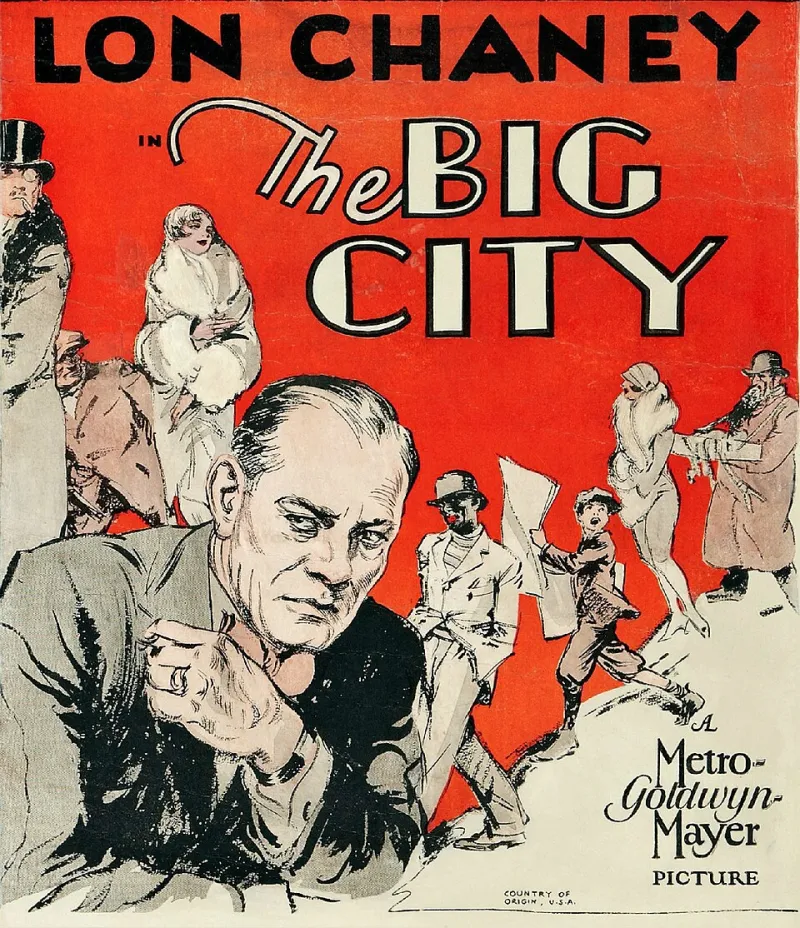
Photo: MGM, Public domain, via Wikimedia Commons
The first thing a film liaison in a mid-size American city will tell you is that she is not a permit clerk. She is a matchmaker, a translator, a fixer with a city email address. Her job, as one liaison in Ohio put it, is 'to make the answer yes before the filmmaker has to ask.' In 2026, with production budgets tightening and crews scattering to smaller markets, that desk has become one of the most useful—and least publicized—resources in indie film.
These offices are not in Los Angeles. They are in Dayton, Chattanooga, Fort Wayne, Spokane, Tulsa, Rochester. They sit inside economic development departments, visitors bureaus, or mayor's offices. They have names like 'Film Commission' or 'Film Office' or 'Creative Economy Coordinator.' They do not usually have a marketing budget. They do have a list of locations, a vendor sheet, and a phone number that a human answers.
The paperwork is the pitch
For a $50,000 movie, a permit can feel like a tax on existence. The film office's job is to make that tax bearable. That might mean a streamlined application, a flat fee, a waiver for student or micro-budget projects, or a single point of contact who walks the paperwork through three departments. It might mean a location agreement template, a certificate of insurance checklist, and a heads-up to the police department so the fake fight scene does not get a real response.
The better offices treat the permit as a conversation, not a gate. One liaison in Tennessee told us she asks every filmmaker the same question: 'What do you need that you have not asked for yet?' Sometimes the answer is a parking lot for the grip truck. Sometimes it is a letter of support for a grant. Sometimes it is a list of local restaurants that will feed a crew of twelve for $10 a head. The permit is the beginning, not the end.
What a $50,000 movie buys a town
Economic development people think in multipliers. A $50,000 movie is not a $50 million movie, but it is still money: hotel rooms, meals, lumber, gas, rentals, local crew. It is also marketing. A town that shows up in a micro-budget feature is a town that gets a free postcard in a film festival program. The film office knows this. That is why they are willing to spend an hour on the phone with a director who has never made a feature.
The math is not always obvious. A $50,000 production might spend $8,000 locally. It might hire two PAs, rent a van, buy a hundred cups of coffee, and pay for a permit that costs less than the paperwork to process it. But the film office is playing a longer game. They want the crew to come back. They want the location scout to recommend the town. They want the local paper to write a story that says 'movie shot here' instead of 'nothing happens here.'
The matchmaking part
The real value is not the permit. It is the list. A good film liaison knows which warehouse owner will say yes to a one-day shoot, which diner has a back room that looks like 1978, which retired carpenter will build a fake wall for $200, and which neighborhood will tolerate a generator at 6 a.m. if you buy breakfast for the block. That knowledge is not on a website. It is in a spreadsheet and a head.
Some offices run location databases. Some run vendor directories. Some just have a phone tree. The best ones will read your script and send back three ideas you did not think of. They will tell you which bridge is closed for repair and which park has a noise ordinance. They will warn you about the one council member who hates film trucks. That is producing, even if the title on the door says 'coordinator.'
How to find your liaison
Start with the city's economic development page. Search for 'film permit,' 'film commission,' or 'creative economy.' If the city has a visitors bureau, call and ask who handles production. If the county has a film office, call both. The office might be part-time. It might be one person who also does special events. It might be listed under 'planning.' Keep calling. The desk that says yes is often not the first desk you find.
When you get someone on the phone, be specific. Send a one-page synopsis, a shooting schedule, a location wish list, and a budget range. Ask about permit fees, insurance requirements, neighborhood notification rules, and any local incentives. Ask for the vendor list. Ask who else has shot there recently. Ask if they will introduce you to a local PA or line producer. Ask what the town needs. Then listen.
The limits of a friendly desk
A film office cannot fix a bad script or a thin budget. It cannot guarantee a location or waive state labor law. It cannot make a town love a crew that blocks parking and leaves trash. It can make the paperwork faster, the introductions warmer, and the village gossip friendlier. That is not nothing. In a micro-budget world, a friendly desk is a piece of infrastructure.
The filmmakers who use these offices well do not treat them like vending machines. They send thank-you notes. They invite the liaison to the local screening. They put the office in the credits. They come back. The desk that says yes stays open because someone said thank you. That is the whole system. It is not glamorous. It is how movies get made in places that are not Hollywood.