Neon Vacancy: How the Strip Mall Became Indie Film's Favorite Leading Lady
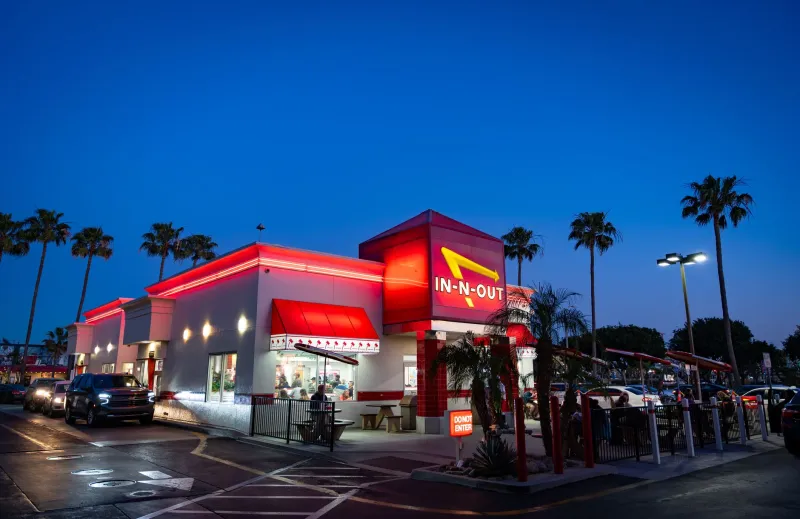
There's a shot you've seen a hundred times. A wide, flat parking lot at dusk. A sign buzzing overhead — LIQUOR, CHECK CASHING, PHO — and one flickering vacancy light from a motel that may or may not still rent rooms. A car pulls in. Someone's about to make a bad decision.
No studio backlot can fake it. And almost nobody got paid to provide it.
The Cheapest Star in the Business
"I can get you a strip mall for gas money," says Dana Whitfield, a location scout who's worked on two dozen micro-budget features across the Sun Belt. "Try that with a farmhouse. Try that with a loft in Brooklyn. The strip mall is the one location in America where the answer is always yes and the fee is usually a six-pack."
That accessibility is the whole engine. Independent film lives and dies on locations that don't require permits with teeth, insurance riders that make an accountant weep, or owners who want final cut approval. A strip plaza with three empty units and an owner who lives out of state? That's not a compromise. That's a production plan.
And the look is free. Fluorescent interiors, sodium-vapor exteriors, a parking lot that doubles as a lighting rig — it photographs like memory. Critics have spent decades reaching for words like "lived-in" and "authentic" to describe the American indie palette, and almost every frame they're describing was shot between a nail salon and a closed-down Radio Shack.
Accidental Infrastructure
Here's the part nobody says out loud: a meaningful chunk of America's independent film industry runs on property owners who never planned to be in the movie business.
Take the motel owners. The classic roadside motor court — the L-shaped kind with exterior doors and a pool that hasn't held water since the Carter administration — is functionally a purpose-built film set. Individual rooms mean individual scenes. A manager's office is a ready-made dialogue stage. "I've had four crews shoot here in two years," says the owner of a 22-room motel outside Bakersfield, who asked that we not use the property's name because, quote, "the bookings from film people are better than the spring break people anyway."
He charges a day rate that would make a Hollywood location manager faint. It's less than he'd get from a week of regular guests, but it arrives on time, in cash, and the crew fixes the ice machine on the way out.
The plaza owners are similar. A landlord with a dead anchor tenant discovers that a film crew will paint the unit, clean the lot, and generate a week of local goodwill — all for the price of a handshake and a certificate of insurance. Some have figured out it's a business. Most still treat it as a favor they're doing you, which, honestly, keeps the whole ecosystem humble.
Why It Reads
There's a real question buried in all this: why does a setting this mundane carry so much emotional weight on screen?
Part of it is specificity. A soundstage can suggest "America," but a strip mall on Route 9 is America — the exact one. Independent directors have long understood that the audience fills in enormous amounts of story from background detail. The faded sale banner in a window, the mismatched awnings, the one business still open at 11 p.m. You can't design that. You can only find it.
Part of it is class honesty. The strip mall is where most of the country actually conducts its life — the pharmacy run, the DMV, the Friday takeout. Movies that shoot there aren't performing grittiness. They're just pointing the camera at the world as it's built.
And part of it, scouts admit, is pure economics hardening into style. A generation of filmmakers shot in strip malls because they had to, made classics there, and taught the next generation that this is what serious American film looks like. The budget constraint became the aesthetic. The aesthetic became a tradition.
The Gallery
We put together a photo essay of the most-photographed mundane spaces in indie film — the motels, the plazas, the lots. A few patterns emerged:
- The two-lane motel walkway. Overhead shot, characters walking in opposite directions. If you've seen one, you've seen ten, and you'd watch an eleventh tomorrow.
- The lit sign at night, shot from a low angle. Preferably partially broken. The letter that doesn't light is practically a character.
- The empty parking lot, wide, at magic hour. Asphalt turns to gold for eleven minutes a day and every DP in the indie world knows the schedule.
- The storefront interior, fluorescent, one flickering tube. Cheap light, great faces.
None of these spaces will ever be nominated for anything. All of them have carried more stories than most actors.
Handle With Care
Scouts do have one ask: don't be a tourist about it. The worst thing a production can do is shoot a strip mall with a smirk — framing it as punchline rather than place. The best indie work treats the laundromat the way a Western treats the desert: not as a joke, but as the terrain the story lives in.
"The second a script describes a location as 'seedy,' I know they haven't spent time in one," Whitfield says. "These places are just where people are. Shoot them like that and you'll get something true. Shoot them like a theme park and you'll get a music video."
So the next time a movie opens on a flickering sign and a wide lot, take a second to appreciate the supply chain: a landlord who said yes, a scout who asked nicely, and a piece of American commercial architecture doing its second, more glamorous career — for free.