One Stoplight, Ready for Its Close-Up: How Tiny Towns Sell Themselves to Film Crews
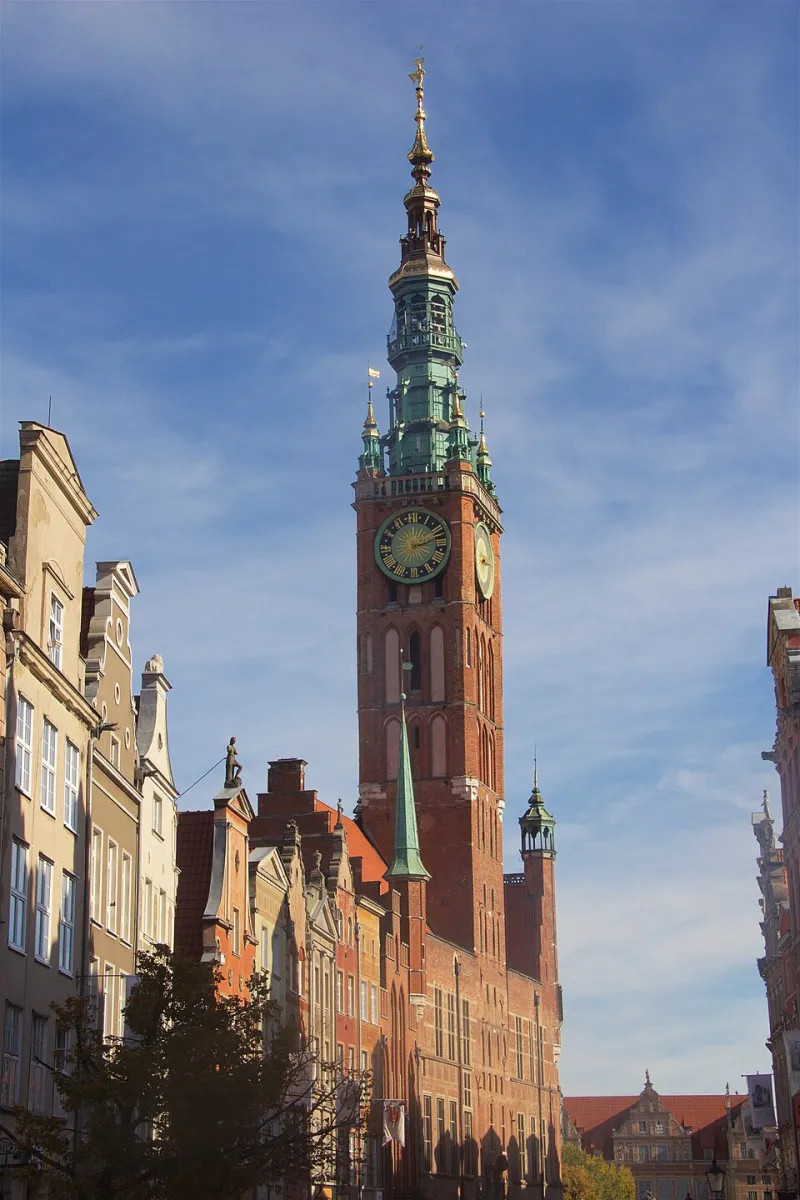
Photo: Photograph by Mike Peel (www.mikepeel.net)., CC BY-SA 4.0, via Wikimedia Commons
The first thing you notice driving into Cedarville, Ohio (population: somewhere south of 300, depending on who's counting and whether the Hendricks boys are home) is the stoplight. It's the town's only one. The second thing, if you know who to ask, is that the stoplight has appeared in two independent films, a streaming series pilot, and — according to lifelong resident and unofficial town historian Doris Kemple — "one music video we don't talk about."
Cedarville is not an anomaly. It's part of a loose, scrappy, mostly undocumented network of small American towns that have figured out something the big film commissions figured out long ago: locations are an asset, and somebody's going to make money off them. The only question is whether it'll be the town.
The Mayor's Fee Schedule
In Cedarville, that somebody is technically Mayor Al Prentiss, a retired HVAC contractor who keeps a laminated sheet in his office titled — with no apparent irony — "Motion Picture Rate Card."
Main street closure, $400 a day. Interior of the general store, $250. Use of the volunteer fire department's parking lot for crew trucks, $100, "waved if they buy lunch in town, which they always do because there's nowhere else."
"First crew that came through, I didn't charge 'em anything," Prentiss says. "Felt weird asking. Then I watched them spend six weeks here and I did the math on what the diner made. Never made that mistake again."
It's a story you hear variations of all over the country. A location scout rolls in, falls in love with a water tower or a grain elevator or a stretch of road that hasn't changed since 1974, and suddenly a town that hasn't made the news since the flood is hosting 40 people with walkie-talkies and a catering truck.
Renting Out the Living Room
The money, such as it is, tends to flow in odd channels. Towns don't usually get rich. But a resident might rent their living room as a set for a day. The church basement becomes base camp. The high school marching band gets a location fee for standing in the background of a parade scene.
In Cerillos, New Mexico — a ghost town that's been in more Westerns than most working actors — the arrangement is practically formalized. Residents lease their adobe buildings to productions through a handshake system that predates most film commissions. One homeowner told us she's had her kitchen in "at least five movies" and keeps a binder of behind-the-scenes photos as proof.
"They pay better than tourists and they clean up after themselves," she said. "Mostly."
The Hangover
It's not all boom times. Several towns we spoke to described the post-shoot comedown: the diner that staffed up for a crew and had to let people go when filming wrapped. The resident who repainted their porch to look better on camera and now feels obligated to maintain it. The mayor who got a call from a production that used drone footage of the town without permission — a dispute that was, in Prentiss's words, "handled." He declined to elaborate.
And there's the deeper tension: a town that markets itself as unchanged is, by definition, marketing its own stagnation. The crews come because nothing's been built since 1962. The money would be nicer if something had.
Still, nobody we talked to wanted the film trucks to stop coming. There's a pride in it — seeing your stoplight, your diner, your grandmother's fence up on a screen at a festival, maybe with your town's name buried in the credits.
"Somebody from the movie sent us a poster," Kemple says. "It's hanging at the post office. People point at it. That's worth something, I figure."
Worth $400 a day, at minimum. Prentiss checked the rate card.