Twelve Grand? Try Twelve Hundred: The Scrumptiously Scrappy World of Micro-Budget American Film
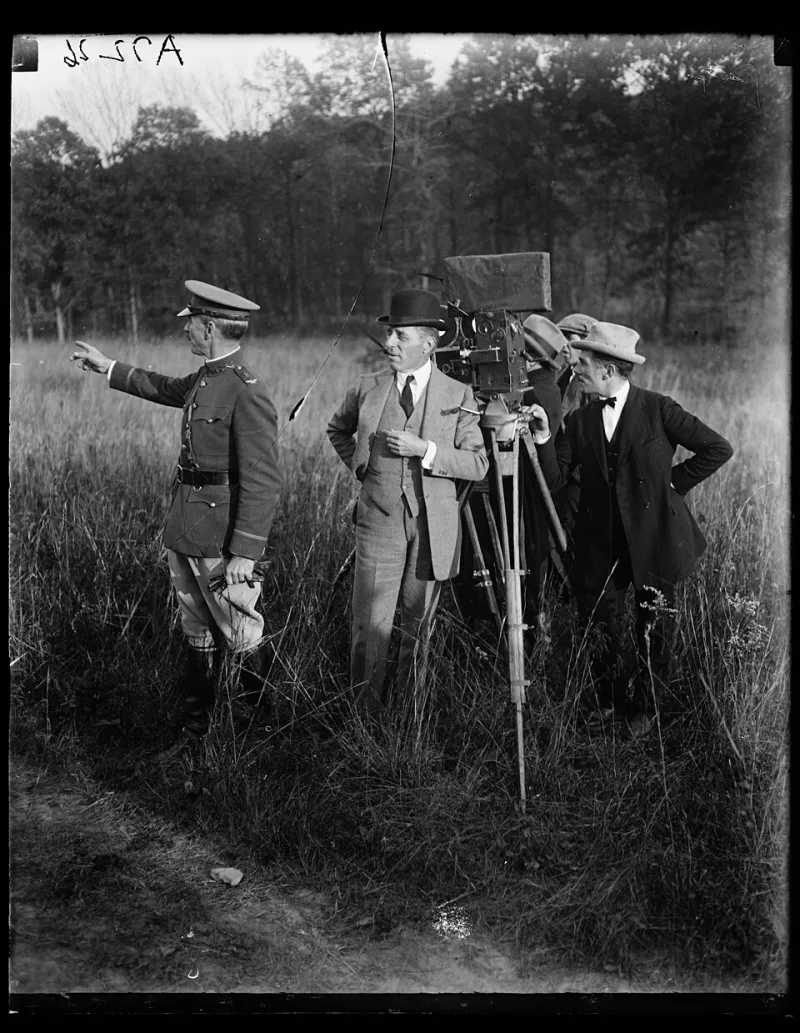
Photo: Harris & Ewing, photographer, Public domain, via Wikimedia Commons
Every indie film festival has that one Q&A. A stunning feature unspools, the audience is floored, and then someone asks the budget question. The filmmaker smiles, braces, and says a number smaller than a used Honda.
This list is a tribute to those movies. All twelve were made for under $10,000, all were made in the United States, and all of them punch so far above their price tag that the number starts to feel like a dare. More importantly, each entry comes with the actual tricks — the scrappy playbook stuff that you can steal for your own project this weekend.
1. The One-Location Wonder
The first entry on every micro-budget list is usually a single-location film, and for good reason: locations are where budgets go to die. The best example we found was a domestic thriller shot entirely in a director's aunt's vacant rental property over 14 days. Total location cost: zero dollars and one housewarming gift. The trick: write the script around a space you already have legal access to, not the other way around.
2. The Festival Darling Shot on Weekends
One of the most celebrated American indies of the last decade was shot over 40-some weekend days because the entire crew had Monday-through-Friday jobs. The pace was brutal, but continuity errors became the only casualty. The trick: schedule shoots in two-day blocks and storyboard ruthlessly — you can't afford a fourth take when the next one is six days away.
3. The Natural Light Manifesto
Available-light shooting isn't just a style; it's a line-item deletion. One film we loved was shot almost entirely at golden hour across a single summer in rural Ohio, turning a zero-dollar lighting package into a signature visual identity. The trick: schedule around the sun, not the call sheet.
4. The Family Cast Advantage
Why rent actors when your uncle is one? Several micro-budget films lean on non-actors — family, friends, actual people doing their actual jobs — and the rawness reads as realism instead of amateurism. One documentary-style narrative cast real diner staff as diner staff. The trick: direct non-actors by giving them tasks, not lines.
5. The Gear Borrower
The camera doesn't have to be yours. One filmmaker we spoke with assembled his entire package from a regional film collective's shared equipment closet — a perk of community that cost him membership dues, not rental fees. The trick: join your local film co-op before you ever need gear.
6–12. The Rest of the Playbook
The remaining entries on our list relied on variations of the same core moves: a post-sound student trading mixing for a credit, a composer who wanted the reel, a costume department that was literally one person's closet, and craft services that were a Costco run and a prayer. One horror entry shot night exteriors on public land with permits that cost less than the gas money to get there.
The through-line across all twelve is not frugality for its own sake. It's that constraints became the aesthetic. The available light looks intentional. The non-actors look honest. The single location looks claustrophobic on purpose.
What This Means for You
If you're sitting on a script you assume needs $50,000, these films suggest the real question isn't "how much money?" but "what do I already have?" A place. People. Weekends. A camera that belongs to somebody. That's a budget — it's just denominated in resources instead of dollars.
The $10,000 ceiling isn't a limitation to overcome. As these twelve films prove, sometimes it's the entire creative engine. Spend nothing. Make everything.